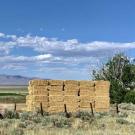
E. Charles Brummer, UC Davis professor and Plant Breeding Center director, was honored by the North American Alfalfa Improvement Conference for his groundbreaking research and leadership in alfalfa breeding, genetics, and genomics over 30 years.
UC Davis scientists, including Alessandro Ossola, are studying urban trees to predict which species will thrive amid climate change. Their research aims to help cities plan for the future, ensuring trees can continue to provide shade and cooling as conditions worsen.
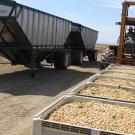
Giulia Marino, UC Davis' new Presidential Chair for Tree Nut Genetics, is developing resilient pistachio varieties to help farmers cope with warmer winters, water shortages, and rising costs, enhancing the state's $5-billion industry.
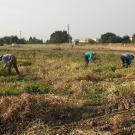
UC Davis researchers developed a crop rotation calculator to help California rice farmers manage drought and water scarcity. The tool offers projections on the economic impacts of rotating to less water-intensive crops, aiding growers in making informed decisions.
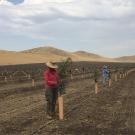
UC Davis researchers, led by Patrick J. Brown, received $3.8 million to improve pistachio production amidst warmer winters and water scarcity. The project aims to enhance pollination, irrigation, and rootstock resilience for long-term industry growth.
The University of California, Davis, recently announced that philanthropists Lynda and Stewart Resnick, co-owners of The Wonderful Company, have pledged the largest gift ever to the university by individual donors. The $50 million pledge will support the school’s longstanding commitment to address today’s most pressing challenges in agriculture and environmental sustainability.
UC Davis researchers are leading a $3.3 million project to improve lima bean breeding. The initiative focuses on traits like heat tolerance and disease resistance and aims to develop climate-resilient varieties and create a public genetic database for breeders.
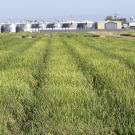
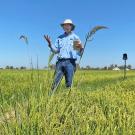
UC Davis researchers showcased new rice varieties offering better weed control with less herbicide at the Rice Field Day. They discussed drought impacts, fallow land benefits, and new herbicide trials to combat resistant weeds.
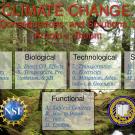
A study found that undergraduate students taking an online climate change course traded slightly lower grades for the flexibility of online scheduling. Women, humanities majors, and seniors were likelier to choose online learning.
Master's student Isha Poudel has been named a 2023 Future Leaders Forum fellow. She aims to empower women farmers in Nepal and address climate change impacts on vulnerable populations through agricultural technology and gender equity.