Richard Michelmore led the UC Davis Genome Center for 20 years, expanding its influence and spearheading a groundbreaking COVID-19 saliva test. His leadership advanced genomics research, faculty recruitment, and interdisciplinary collaboration.
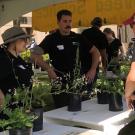
UC Davis' C.M. Rick Tomato Genetics Resource Center supports global tomato breeding. Picnic Day visitors can get tomato starts and learn about tomato history. The event highlights the crop’s economic impact, genetics, and growing tips.
Storing fresh produce correctly can save you money and time by keeping your tomatoes, grapes, broccoli and other fresh fruits and vegetables in tip-top condition for as long as possible. UC Davis’ Produce Heroes game teaches proper produce storage to reduce food waste and climate impact. Learn fridge vs. countertop tips through a fun, educational cornhole game.
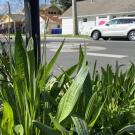
UC Davis weed scientists help identify invasive plants and offer advice at Picnic Day’s “Ask the Weed Doctor” booth. Their research supports agriculture, fire prevention, and ecosystem health statewide.
This year, we are excited for the 2024 UC Davis Plant Sciences Symposium to represent work across the plant sciences with the theme, “Plant diversity from genes to ecosystems.”
Each spring, the UC Davis Department of Plant Sciences grows popping corn for its popular Picnic Day shelling exhibit. Visitors collect kernels to take home and pop, learning about popcorn's unique moisture-powered “pop” and the science behind this tasty treat.
UC Davis' Strawberry Breeding Program develops resilient, high-quality varieties for growers worldwide. It has released 12 commercial varieties in nine years, supporting California's $2.7B industry.
A new method using firmness measurements helps growers pick plums at peak ripeness, improving flavor and reducing postharvest damage. UC Davis expert Carlos Crisosto’s research offers guidelines for better fruit quality and consumer satisfaction.
UC Davis researchers found that walnut tree disease resistance and growth vigor are linked to cell wall formation. This insight could speed up the breeding of resilient rootstocks, protecting California’s $1.1B walnut industry from climate and disease threats.
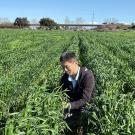
Xiaofei Zhang started this month as an assistant professor in the UC Davis Department of Plant Sciences, specializing in molecular genetics and breeding of small grains crops. His top priority, he said, will be developing wheat varieties that are highly productive for forage and that also have high grain yield and good quality.
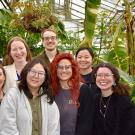
Five UC Davis plant sciences faculty members—Gail Taylor, Amelie Gaudin, Giulia Marino, Li Tian, and Leslie Roche—now hold endowed chairs, a first for the department. These appointments support research in agroecology, tree genetics, nutrition, and rangelands.
Invasive plants can stay dormant for decades before rapidly spreading, a UC Davis-led study finds. Researchers analyzed 5,700 species, with some lying dormant for up to 320 years. This lag phase makes early detection and prevention critical.
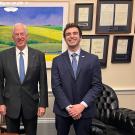
UC Davis doctoral student Matt Davis visited Washington, D.C., to advocate for ag research funding and learn about policy careers. He met with lawmakers to discuss the 2024 Farm Bill and the value of federal research investment.
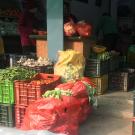
A UC Davis-led project in Nepal will test new food storage and packaging to reduce spoilage, boost farmer income, and improve nutrition. The $876K effort aims to expand food access and safety in rural communities.
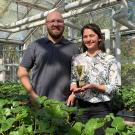
Ph.D. candidate Deniz Inci was named Weed Science Society of America’s graduate student of the month for his work on sustainable weed control in California rice. He aims to help farmers tackle herbicide-resistant weeds.